Why Japan's Sword Culture Is Worth an Evening
The Teachers Are Real. That's the Whole Point.
The surprise of Japan's samurai and ninja experiences is not the costume rack — it's the payroll. The people running the good ones are kendo teachers who have held a rank longer than you've held a passport, swordsmiths who still forge blades for working dojos, and instructors who trace their family line back to samurai retainers. You bow at the door because everyone bows at the door. Then someone hands you a sword and spends ninety minutes correcting the angle of your wrists, and you understand why the basic cut is the first thing taught and the last thing mastered.
Every booking on this subject splits into doing and watching, and the geography follows the split. Kyoto is the classic dojo city — the place to put on the gear and be taught properly. Tokyo has the biggest range of everything plus the neon end of the spectrum: the Samurai Restaurant dinner show, where the swords share billing with drum kits and LED floats. The castle-town circuit — Kanazawa with its preserved samurai district, Matsumoto and Himeji with two of Japan's surviving original castles — puts the lessons next to the architecture they came from. And the ninja side lives in the countryside: Takayama's dojo, and the old ninja homelands of Iga and Koka, which have argued about who did it first for roughly four centuries.
Below, four categories of samurai and ninja experience — grouped into training you do and shows you watch — each comparing the best cities to book it. We don't sell anything on this page. We point you to the right category and city, and let you book on the page that fits your trip.
Choose Your Samurai or Ninja Experience
Four Ways Into Japan's Warrior Culture
Grouped into training you do and shows you watch. Each category page compares the best cities to book it in.
Training — What You Do
Armor, Etiquette & the First Cut
The broadest way in — put on the gear, learn the bow, handle a real blade under a teacher's eye, from Kyoto's dojos to Kanazawa's temple lessons. Six cities compared, castle towns included.
Shuriken School
Throwing stars, blowguns, stealth drills and trick-house tricks — hands-on ninja training that runs from Tokyo's family-friendly dojos to Takayama's countryside classes. The one kids talk about for years.
The Cut That Takes a Lifetime
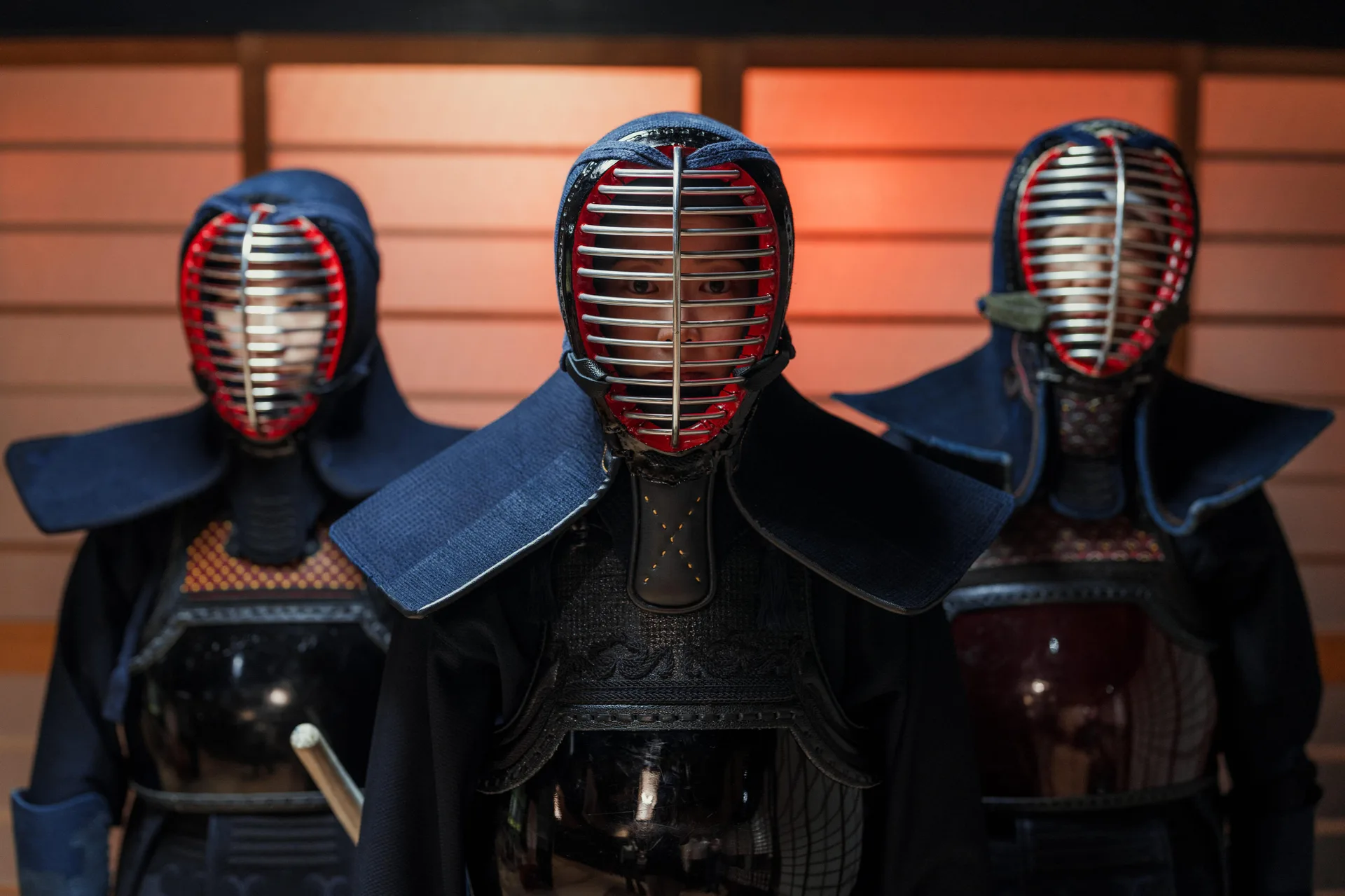
Kendo and katana lessons taught seriously — uniform, footwork, and the same basic cut repeated until it stops being basic. Kyoto's dojo classes are the deepest version in the country.
Theater — What You Watch
Where to Book
Six Places That Define the Map
Each links to its strongest samurai or ninja experience — start here if you already know your route.
The Dojo Capital
The old capital teaches the classic version — proper dojos, ranked instructors, and lessons where the etiquette matters as much as the blade. Start here if you want to be taught, not entertained.
Kyoto Samurai Experience →The Full Spectrum
The biggest range in the country — museum tours, trial lessons, and at the loud end the Samurai Restaurant dinner show, where swordplay meets stage lighting in Kabukicho.
Tokyo Samurai Show →The Samurai District
Nagamachi's earthen-walled lanes are Japan's best-preserved samurai quarter, and the city's temple swordsmanship lessons put the training a short walk from where the samurai actually lived.
Kanazawa Samurai Experience →The Countryside Dojo
The mountain town's ninja dojo is the rural version of the craft — smaller groups, lower prices, and shuriken practice without a tour bus in sight.
Takayama Ninja Experience →The Great Castle
Japan's finest original castle — UNESCO-listed, never burned, never rebuilt in concrete — with samurai experiences booked in its shadow. The backdrop no studio set can match.
Himeji Samurai Experience →The Ninja Homeland
Two neighboring regions, one mountain range between them, and four centuries of rivalry over which produced the real ninja. Our guide settles what can be settled.
Iga vs Koka Guide →Do It vs Watch It
Which Is Right for You?
Book a samurai experience if you want the broad, first-time version — armor, etiquette, blade handling, a teacher who takes the bow seriously — available in six cities and forgiving of total beginners. If your interest is specifically the sword, skip straight to a sword class: kendo gear, footwork drills, and instruction pitched at people who want to be corrected, not photographed. Kyoto is the deepest city for both.
Book a ninja experience if you're traveling with kids or you'd rather throw a shuriken than swing a bokken — it's the most physical, least ceremonial format of the four, and the countryside versions in Takayama undercut the big-city prices considerably.
And if the honest answer is that you'd rather sit down with a drink and watch professionals do it, that's what the samurai show category is for — Tokyo's Samurai Restaurant dinner show, the Ninja Kabuki stage production, and live sword performances in Kyoto and Osaka. No bowing required from your seat, though you may find yourself doing it anyway.
How to Choose
Three Questions to Find Your Experience
Do or watch?
Hands-on → a samurai experience, sword class or ninja training. From a seat with dinner → a samurai show. Doing takes two to three hours and a willingness to be corrected; watching takes a ticket.
Which city is on your route?
Most itineraries pass through both anchors anyway: the dojo lesson in Kyoto, the dinner show in Tokyo. Detouring through the castle towns? Add Kanazawa or Himeji. In the Alps → Takayama.
When should you book?
The serious classes run small — a dojo takes a handful of students per session, not a busload — so the good time slots go first, especially in cherry-blossom and autumn seasons. Most experiences offer free cancellation, so book early and adjust later; the reverse doesn't work.
Samurai & Ninja Experiences — FAQ
What travelers ask before booking a samurai or ninja experience in Japan.
Kyoto and Tokyo split the crown. Kyoto is the dojo city — kendo classes with full uniform and gear, sword classes taught by experts in the traditional arts, and a ninja weapon forge, often in historic buildings. Tokyo has the widest range: classes from a samurai descendant, museum experiences in Asakusa, and the neon dinner shows. Kanazawa, Himeji and Matsumoto add the castle-town circuit — walking a preserved samurai district or an original castle between lessons. Our city pages compare the top-rated experience in each.
You put on the uniform (kimono or hakama in most classes), learn the etiquette — how to bow, how to draw, how to sheathe — and then the fundamentals of cutting form with a practice sword, taught step by step. Some classes work up to a real blade; others focus on kendo, the armored fencing style, with bamboo swords and full protective gear. No experience is needed anywhere; sessions run 1–3 hours. Compare classes city by city on the sword class pages.
Yes — every experience we compare is built for first-timers, with instruction and all equipment provided. Families are specifically catered for: Tokyo's Samurai Ninja Museum runs a dedicated kid-friendly ninja training session (costume, blowgun, star-throw competition, treasure hunt), and one Kyoto ninja-weapon workshop welcomes children from age 5. Check the minimum age on each listing.
Museum guided tours with hands-on extras start around $19–$22. Theater and dinner shows run $31–$50. Group sword and kendo classes are typically $60–$100, and the signature crafts sit higher — Kyoto's ninja weapon forging is about $142, and a private class from a samurai descendant in Tokyo runs $186. Each page lists current prices.
Not as covert agents — the profession faded with the Edo-period peace. But the lineages, scholarship and training are real: a university research center in Iga studies ninja history, the last acknowledged lineage holders have taught within living memory, and martial-arts schools keep the techniques alive. Our guide Are there still ninjas in Japan? gives the honest, sourced answer.
Iga (Mie Prefecture) and Koka (Shiga Prefecture), two neighboring mountain regions between Kyoto and Nagoya. Both are day-trippable: Iga has the Iga-ryu Ninja Museum and castle town, Koka has a genuine 300-year-old ninja residence with its original trick mechanisms. Our Iga vs Koka guide compares the two honestly.
The neon dinner-show successor to Shinjuku's famous Robot Restaurant, in the same Kabukicho basement: an hour-plus of glowing floats, taiko drums, dancers and samurai-themed spectacle, with tickets that include drinks. It's watching, not training — loud, theatrical and unmistakably Tokyo. Book ahead on the Tokyo show page — it's the most-reviewed show we compare.
Samurai experiences center on the sword: form, etiquette, kendo, the warrior arts as discipline. Ninja experiences are more playful and varied — shuriken throwing, blowguns, trick houses, weapon forging — and tend to suit kids better. Doing one of each in different cities is a common (and sensible) itinerary.
No — the experiences we compare run for international visitors, with English-speaking instructors or guides handling the teaching and the etiquette. Check each listing for language details.
A few days is usually enough. The exceptions: Kyoto's small-group sword and kendo classes cap out quickly in cherry-blossom and autumn seasons, and the Tokyo shows sell out on weekends. Most experiences have free cancellation, so booking early is low-risk.
Still have questions? Email us at info@samuraininjaexperience.com